Introduction
Modern sports cricket has evolved far beyond traditional practice sessions and basic skill drills. Today’s professional cricket leagues demand a combination of athletic excellence, strategic thinking, and advanced technology-driven preparation. Players competing in leagues such as the IPL, Big Bash League, and international T20 tournaments follow highly structured training systems designed to maximize performance, reduce injury risk, and sharpen competitive instincts.
This article explores the best training methods used by professional cricketers in modern leagues and how these techniques help shape world-class athletes.
1. High-Intensity Physical Conditioning
Physical fitness is the foundation of modern cricket performance. Unlike older formats where fitness was often secondary, today’s professional players undergo rigorous conditioning programs.
Strength and Power Training
Players focus heavily on gym-based strength training to improve explosive power. Exercises such as squats, deadlifts, bench presses, and core stability workouts help cricketers generate faster bowling speeds and stronger batting shots.
Endurance and Agility Work
Cricket demands long hours on the field, especially in limited-overs formats. Interval running, shuttle drills, and circuit training improve stamina and quick directional changes, which are crucial for fielding and running between wickets.
2. Skill-Based Net Practice Sessions
Net practice remains one of the most important training methods in professional cricket leagues. However, it is no longer just repetitive batting or bowling.
Scenario-Based Batting Practice
Batters train under match-like scenarios such as chasing specific targets, handling death overs, or facing spin-heavy attacks. This helps them develop decision-making skills under pressure.
Target-Oriented Bowling Drills
Bowlers are trained to hit specific lengths and lines consistently. Coaches often set up markers on the pitch to simulate real-match field placements and pressure situations.
3. Advanced Batting Techniques
Batting in modern cricket requires adaptability across formats. Professional training focuses on refining technical precision and innovation.
Shot Variation Training
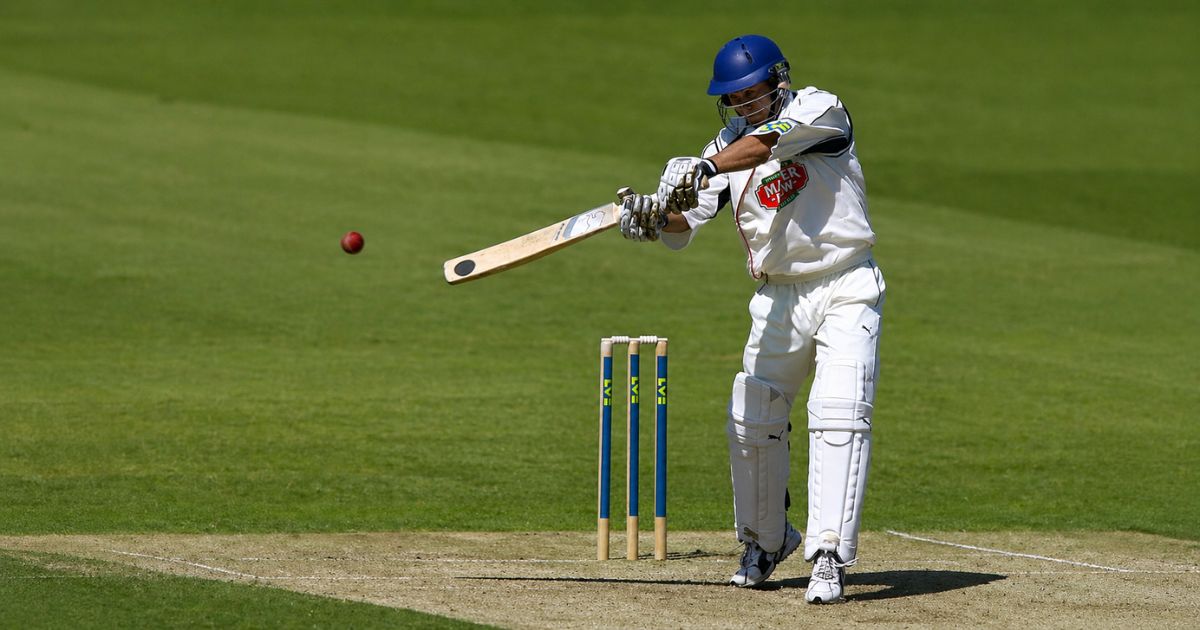
Players practice a wide range of shots such as reverse sweeps, switch hits, ramps, and scoops to stay competitive in T20 leagues.
Reaction Time Drills
Fast bowling machines and high-speed deliveries are used to improve reflexes. This helps batters handle extreme pace and unpredictable bounce effectively.
4. Specialized Bowling Development
Bowling training has become highly scientific in professional sports cricket leagues.
Pace and Spin Enhancement
Fast bowlers work on seam position, wrist control, and release angles to generate swing and speed. Spin bowlers focus on variations like googlies, carrom balls, and arm balls to deceive batters.
Tactical Bowling Plans
Players study opposition weaknesses and practice specific game plans. For example, bowling yorkers in death overs or attacking stumps early in powerplays.
5. Elite Fielding Drills
Fielding is now considered just as important as batting and bowling in modern cricket.
Reflex and Catching Practice
Players train with reaction balls, slip catching drills, and high-pressure catching simulations to improve hand-eye coordination.
Throwing Accuracy Training
Direct-hit drills and long-distance throwing exercises enhance accuracy and speed, which are crucial for saving runs and executing run-outs.
6. Mental Conditioning and Sports Psychology
Mental strength is a key factor separating good players from great ones.
Pressure Simulation Training
Players are placed in simulated match pressure situations to improve decision-making and emotional control during high-stakes moments.
Visualization Techniques
Many professionals use visualization exercises to mentally rehearse batting innings, bowling spells, or fielding scenarios before matches.
7. Data Analytics and Performance Review
Technology has transformed how players train in professional cricket leagues.
Video Analysis
Every training session and match is recorded and analyzed to identify technical flaws and tactical improvements.
Performance Metrics
Data such as strike rate, bowling economy, wagon wheel analysis, and heat maps help coaches design personalized training plans.
8. Nutrition and Recovery Programs
Recovery is just as important as training in elite sports cricket environments.
Personalized Diet Plans
Players follow strict nutrition plans rich in proteins, complex carbohydrates, and hydration strategies to maintain peak fitness levels.
Recovery Techniques
Ice baths, physiotherapy, massage therapy, and sleep tracking are commonly used to reduce fatigue and prevent injuries.
9. Use of Technology in Training
Technology plays a huge role in shaping modern cricket training methods.
Smart Wearables
Devices track heart rate, workload, and movement patterns to optimize training intensity.
Bowling Machines and VR Training
High-tech bowling machines simulate different bowlers, while virtual reality tools help batters practice against realistic match conditions.
10. Team Strategy and Match Simulation
Professional teams regularly conduct full match simulations to prepare for real games.
Practice Matches
Players participate in intra-squad games with official rules and pressure scenarios to replicate real competition.
Tactical Meetings
Coaches and analysts review opposition strategies and adjust training accordingly, ensuring players are always one step ahead.
Conclusion
The training methods used in professional sports cricket leagues today are a perfect blend of tradition and innovation. From physical conditioning and skill refinement to advanced analytics and mental coaching, every aspect of a player’s development is carefully managed.
These modern techniques not only improve individual performance but also elevate the overall standard of the game. As cricket continues to evolve globally, training methods will become even more advanced, making the sport faster, smarter, and more competitive than ever before.