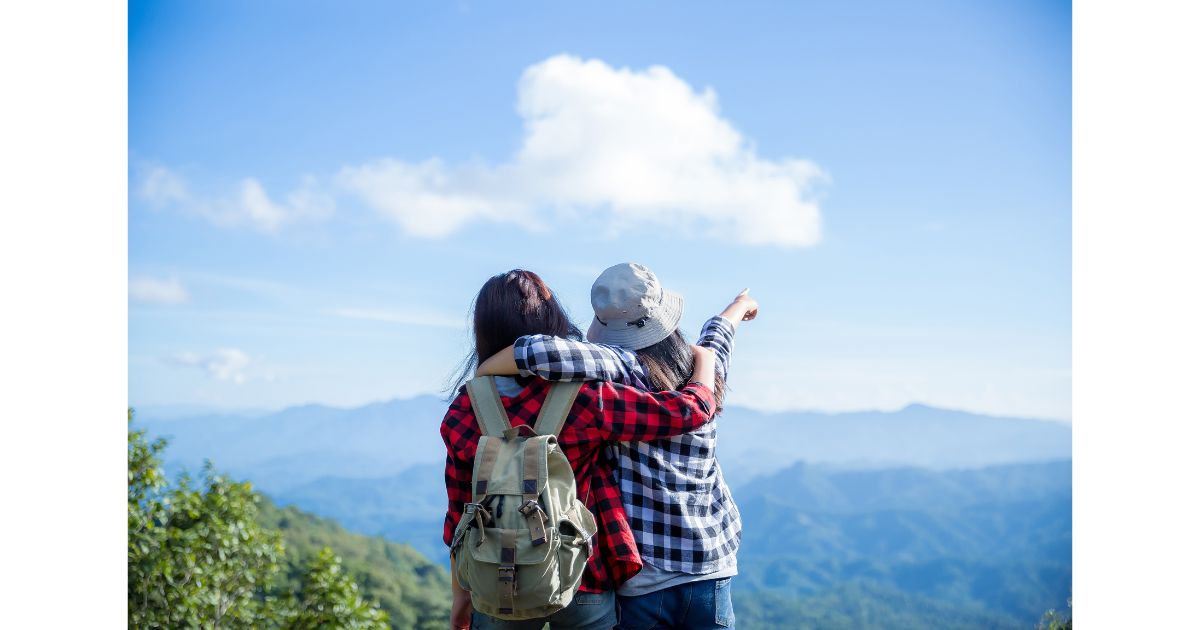

Traveling alone or working remotely from different parts of the world is an exciting lifestyle that offers freedom, adventure, and personal growth. However, whether you are a solo explorer seeking new cultures or a digital nomad working from exotic locations, safety should always be your top priority.
Without the support of a travel companion or fixed environment, you must rely on awareness, preparation, and smart decision-making. This guide provides essential travel safety tips to help you stay secure, confident, and stress-free during your journeys.
Research Your Destination Thoroughly Before Traveling
One of the most important safety steps is understanding your destination before you arrive. Every country and city has different laws, customs, and safety conditions.
Research areas such as:
- Local crime rates and safe neighborhoods
- Cultural norms and dress codes
- Transportation safety
- Emergency contact numbers
- Common scams targeting tourists
For digital nomads, it is especially important to check internet reliability, coworking spaces, and healthcare access. Being informed helps you avoid risky situations and make better decisions once you arrive.
Keep Digital Copies of Important Documents
Losing your passport or important documents while traveling alone can be stressful. To stay prepared, always keep digital backups of:
- Passport and visa
- Travel insurance
- Flight tickets
- Hotel bookings
- ID cards
Store them securely in cloud storage and email copies to yourself. This ensures that even if physical documents are lost or stolen, you can still access essential information quickly.
Stay Connected with Family or Friends
Solo travel does not mean being completely disconnected. Regular communication with someone you trust is essential for safety.
Share your:
- Travel itinerary
- Accommodation details
- Daily or weekly check-ins
This simple habit ensures that someone always knows your whereabouts. Many solo travelers also use location-sharing apps for added security.
For digital nomads who move frequently, updating contacts about new destinations is especially important.
Choose Safe Accommodation Wisely
Where you stay plays a major role in your overall safety. Always book accommodation in safe and well-reviewed areas.
Look for:
- Verified guest reviews
- 24/7 security or reception
- Good lighting around the property
- Secure entry systems
For solo travelers, staying in hostels with good reputations or co-living spaces can also provide a sense of community while maintaining safety. Digital nomads should prioritize accommodations with reliable internet and secure working environments.
Avoid Displaying Valuable Items Publicly
One common mistake solo travelers make is attracting unwanted attention by displaying expensive belongings. Flashy jewelry, high-end gadgets, or large amounts of cash can make you a target.
To stay safe:
- Keep valuables hidden
- Use anti-theft bags
- Carry only necessary cash
- Be discreet with electronics
Blending in with the local environment helps you avoid unnecessary risks.
Be Aware of Common Tourist Scams
Tourist scams exist in many popular destinations. Solo travelers are often targeted because they appear more vulnerable.
Some common scams include:
- Fake taxi drivers charging inflated fares
- Overpriced souvenir shops
- Friendly strangers leading you into traps
- Fake ticket sellers
Always verify prices in advance and use official services whenever possible. Trust your instincts—if something feels suspicious, it probably is.
Use Safe Transportation Options
Transportation safety is crucial when exploring unfamiliar places. Always choose reliable and verified transport options.
Safe practices include:
- Using official taxis or ride-hailing apps
- Avoiding unlicensed drivers
- Checking vehicle details before entering
- Sharing ride details with someone you trust
For digital nomads who commute frequently within cities, learning about local transport systems can also reduce risks and costs.
Stay Alert in Public Places
Awareness is your strongest safety tool. Whether you’re exploring a busy market or working from a café, staying alert helps prevent unwanted incidents.
Avoid distractions like:
- Excessive phone use in crowded areas
- Wearing headphones at full volume
- Ignoring your surroundings
Pay attention to people around you and trust your instincts. If a situation feels uncomfortable, leave immediately.
Protect Your Digital Security
For digital nomads, online security is just as important as physical safety. Working from cafes, airports, or shared spaces exposes you to cybersecurity risks.
To stay protected:
- Use a VPN on public Wi-Fi
- Avoid logging into sensitive accounts on unsecured networks
- Enable two-factor authentication
- Keep software and devices updated
Cybersecurity awareness is essential for anyone earning or managing work online while traveling.
Carry a Basic Emergency Kit
A small emergency kit can be extremely helpful during unexpected situations. It doesn’t need to be large, but it should include essentials such as:
- First aid supplies
- Basic medications
- Power bank
- Emergency contact list
- Local currency
Having these items readily available can make a big difference in emergencies, especially when traveling alone in unfamiliar areas.
Learn Basic Local Phrases
Language barriers can sometimes create unsafe situations. Learning basic local phrases can help you communicate in emergencies.
Focus on phrases like:
- “Help”
- “I need a doctor”
- “Where is the police station?”
- “I don’t understand”
Even a small effort to learn the local language can improve your safety and help you connect better with locals.
Trust Your Instincts at All Times
One of the most powerful safety tools is your intuition. If something feels wrong, unsafe, or uncomfortable, do not ignore it.
Whether it’s a place, person, or situation, your instincts are often your first line of defense. It is always better to leave early than to risk your safety.
Final Thoughts
Solo travel and digital nomad lifestyles offer incredible freedom, flexibility, and personal growth opportunities. However, safety should always remain a priority.
By researching destinations, staying connected, protecting your belongings, and maintaining awareness, you can significantly reduce risks and travel with confidence.
With the right precautions, you can fully enjoy the beauty of exploring the world alone while ensuring your journey remains safe, smooth, and unforgettable.